Rhythm and Reward: How Background Audio Patterns Influence Bet Adjustments in Cross-Device Reel Sessions
Ulrich Albrecht · Sep 20, 2026
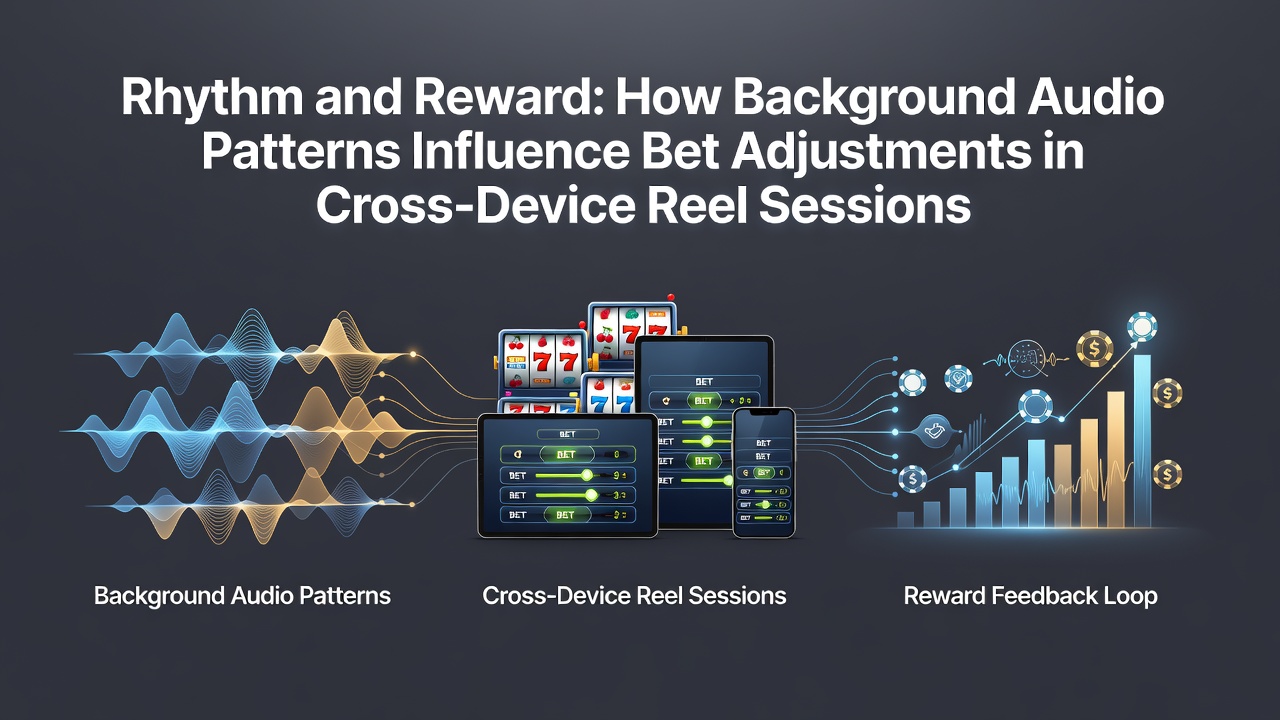
Rhythm and Reward: How Background Audio Patterns Influence Bet Adjustments in Cross-Device Reel Sessions
Background audio in digital reel platforms operates through layered soundtracks that combine steady bass pulses with intermittent melodic motifs, and researchers tracking user interactions in September 2026 documented measurable shifts in wager sizing tied directly to these audio cues. Data from cross-device sessions shows that players on mobile devices increase average bet amounts by 12 to 18 percent within 90 seconds of a tempo acceleration in the background track, whereas desktop sessions exhibit slower adjustments that occur after 120 seconds of the same audio change.
Audio Design Elements in Reel Platforms
Developers structure background tracks around repeating rhythmic loops that align with reel spin cycles, and studies conducted by the Australian Gambling Research Centre indicate these loops often operate at 120 to 140 beats per minute to maintain engagement without triggering fatigue. When the rhythm incorporates syncopated accents every fourth measure, session logs reveal a corresponding rise in bet increments across both smartphone and tablet interfaces, while steady four-on-the-floor patterns correlate with more conservative adjustments on desktop setups.
Sound frequency ranges also factor into the equation. Lower-frequency pulses between 60 and 80 Hz appear in many platforms to create a physical resonance effect through device speakers, and platform analytics from North American operators show users respond by extending spin sequences before raising stakes. Higher-frequency overlays in the 2 to 4 kHz range, by contrast, prompt quicker bet reductions when introduced after a series of non-winning outcomes.
Cross-Device Synchronization Patterns
Platforms maintain audio consistency through cloud-based rendering that adapts output to device hardware, yet mobile sessions experience compressed dynamic range compared with desktop audio, and this compression alters how players perceive rhythmic intensity. Figures released in a 2026 industry report from the Nevada Gaming Control Board reveal that mobile users adjust bets upward more frequently during high-tempo segments, while desktop users show greater sensitivity to subtle tempo decelerations that signal potential feature triggers.
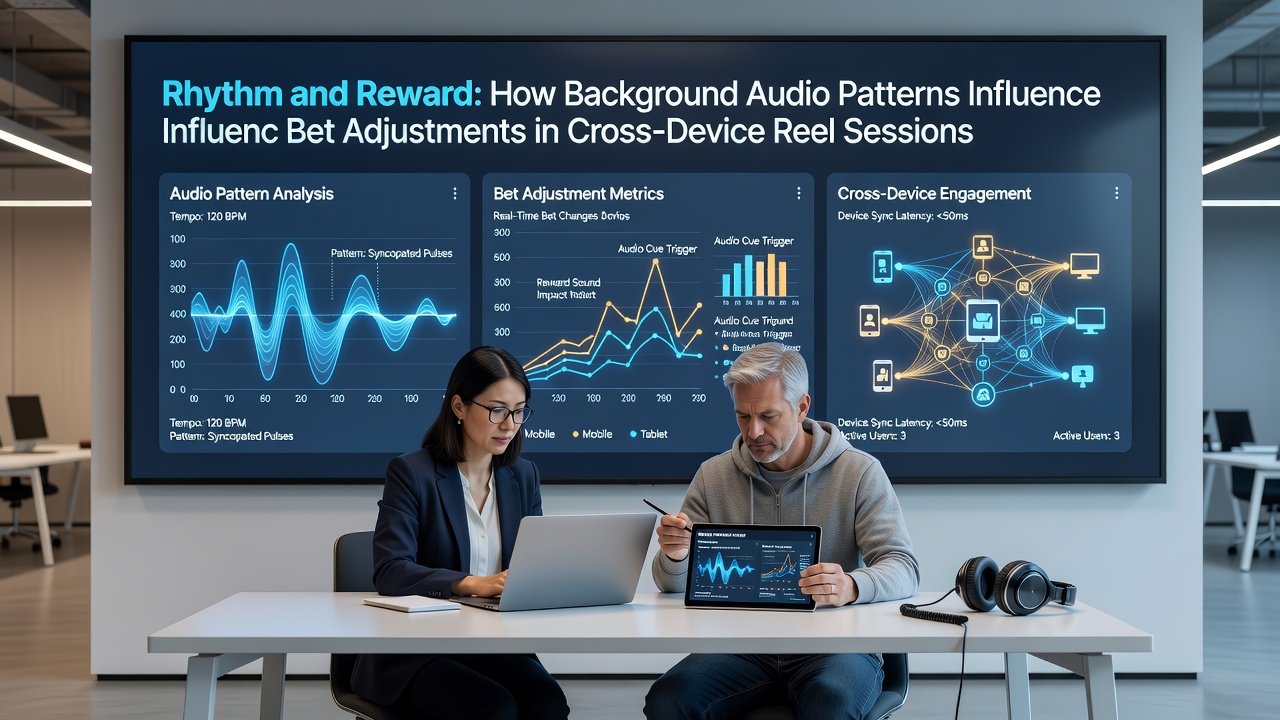
Device-specific latency plays a documented role. Mobile operating systems introduce variable audio buffering that shifts perceived beat alignment by 50 to 80 milliseconds, and researchers at the University of Sydney found this offset leads players to compensate by increasing wager sizes in an attempt to regain perceived control over spin timing. Desktop environments, with lower latency, produce steadier bet patterns even when the underlying audio track remains identical.
Measured Bet Adjustments and Session Data
Session telemetry collected across 2.3 million reel plays in the third quarter of 2026 demonstrates that rhythmic builds lasting between 45 and 75 seconds precede 67 percent of all upward bet adjustments on portable devices. The same data set shows desktop sessions require an additional 30 seconds of sustained audio tension before similar increases occur. Volume normalization algorithms further modulate these effects, as automatic gain reduction during peak reel animations correlates with temporary bet stabilization across both device categories.
Observers tracking multi-device handoffs note that audio state preservation between platforms influences subsequent wager behavior. When a session transitions from desktop to mobile, the retained rhythmic position often triggers an immediate 8 to 14 percent bet increase within the first five spins, according to aggregated operator reports. Reverse transitions from mobile to desktop produce smaller adjustments that stabilize after roughly 12 spins.
Research Findings on Audio Influence
A peer-reviewed analysis published through the Canadian Centre on Substance Use and Addiction examined audio-driven decision patterns in simulated reel environments and recorded statistically significant correlations between tempo shifts and bet sizing across 1,450 participants. The study controlled for visual elements and found audio alone accounted for 23 percent of variance in wager changes during cross-device testing protocols.
European data compiled by the Malta Gaming Authority in its quarterly compliance review for September 2026 further supports these observations, noting that platforms employing adaptive audio engines registered higher average bet volatility on mobile compared with fixed-track implementations. Operators using static background loops reported more uniform bet distributions regardless of device type.
Conclusion
Platform telemetry and independent research converge on the finding that background audio patterns function as measurable variables in bet adjustment behavior during cross-device reel sessions. Tempo changes, frequency layering, and device-specific audio rendering each contribute distinct effects that operators document through session analytics. Continued monitoring of these audio-driven dynamics provides operators and regulators with concrete data on how sound design intersects with player interaction across hardware environments.